Is it possible to retire early in El Salvador on $1368 a month?

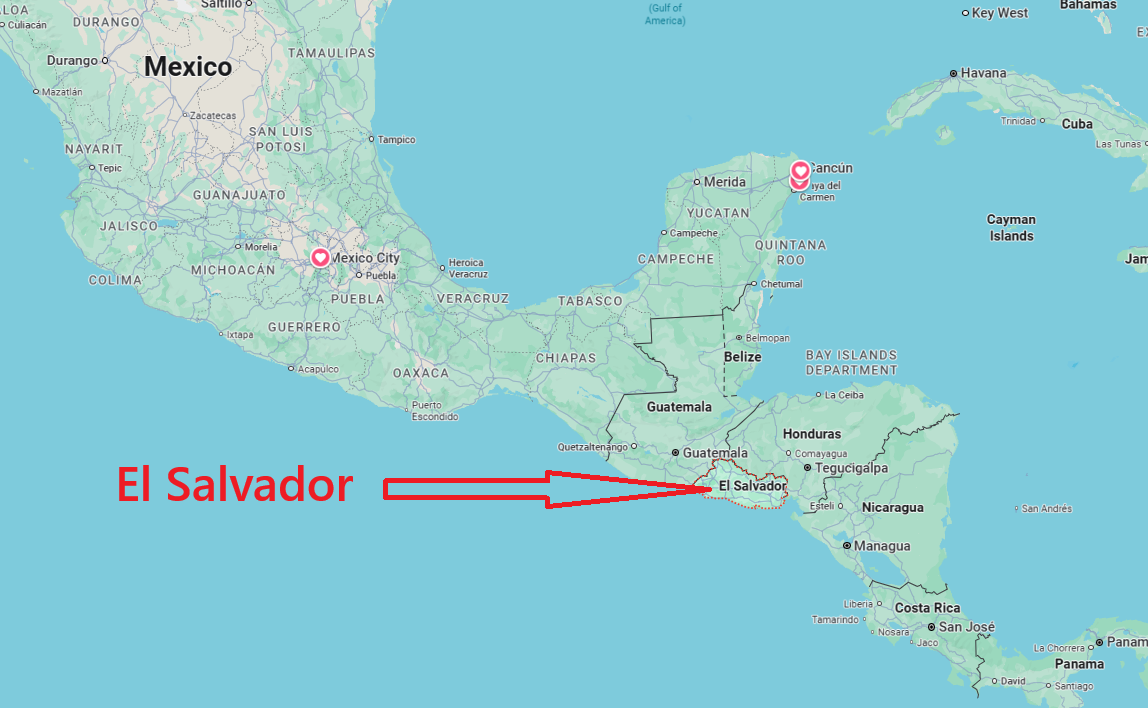
With my feet on the ground, I am going to show you living cost estimates for the low- to middle-range, and why some people are retiring in San Salvador, El Salvador, the capital city of Central America’s smallest country.
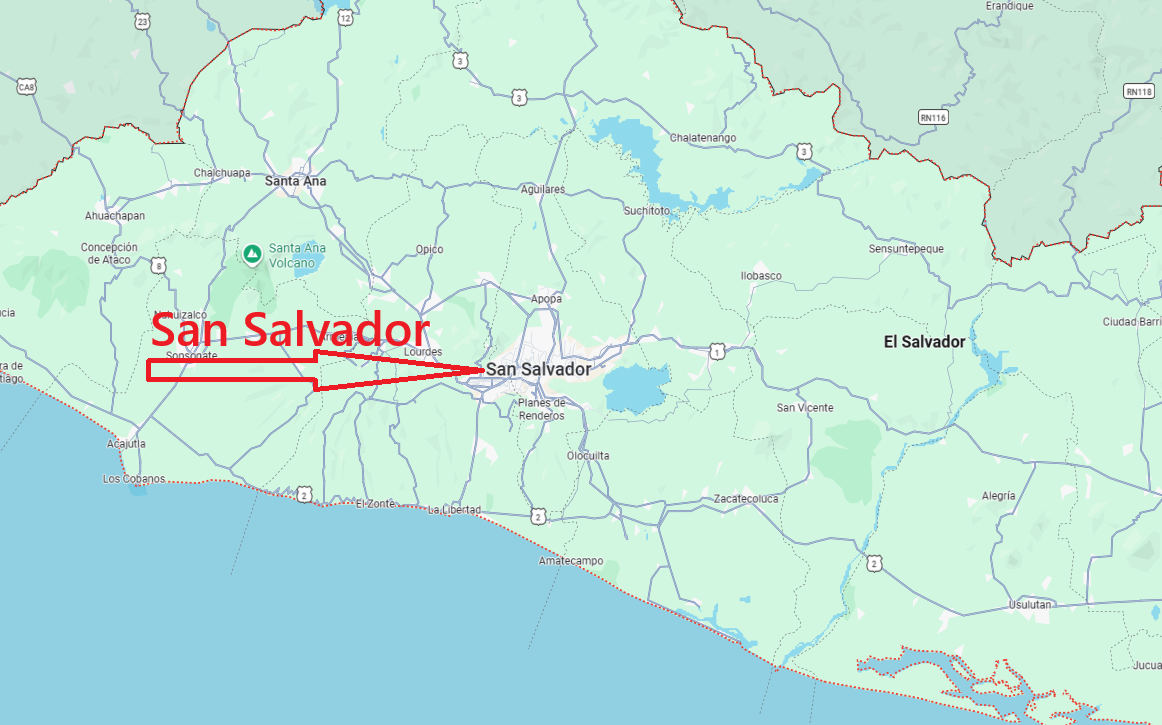
First, I will show you around San Salvador, so you know whether or not you are even interested in living or retiring here. Second, I will share low to middle-range living costs. Third, I will share visas, residency, healthcare, walkability, weather, social considerations, things to do, and safety.
This was my first time in El Salvador, making it my 78th country. I left the USA 19 years ago, and I travel the world and show you the best places to retire affordably overseas. So subscribe to learn about my favorite countries for affordable overseas retirement.
The beautiful woman you see in the videos with me is Qiang of the Hobo Ventures YouTube channel. Subscribe to Qiang’s channel if you want to see our daily lives as we move forward, slowly traveling the world on one-way tickets.
The US Dollar and Bitcoin
Many other countries around the world have their own currency, which you must account for when figuring out the price of everything. El Salvador uses the US Dollar as its official currency. This removes some of the initial stress when you first retire overseas.
A few years ago, El Salvador mandated that Bitcoin be accepted as legal tender by businesses. But recently, that position has switched. Now bitcoin remains a legal tender but is no longer mandatory for businesses. However, the government continues to aggressively accumulate Bitcoin and holds a significant reserve.
Thus, Bitcoin remains widely accepted in El Salvador, but if you are not a Bitcoin advocate, you can still pay for goods and services with US dollars and credit cards.
Beach Areas Visited
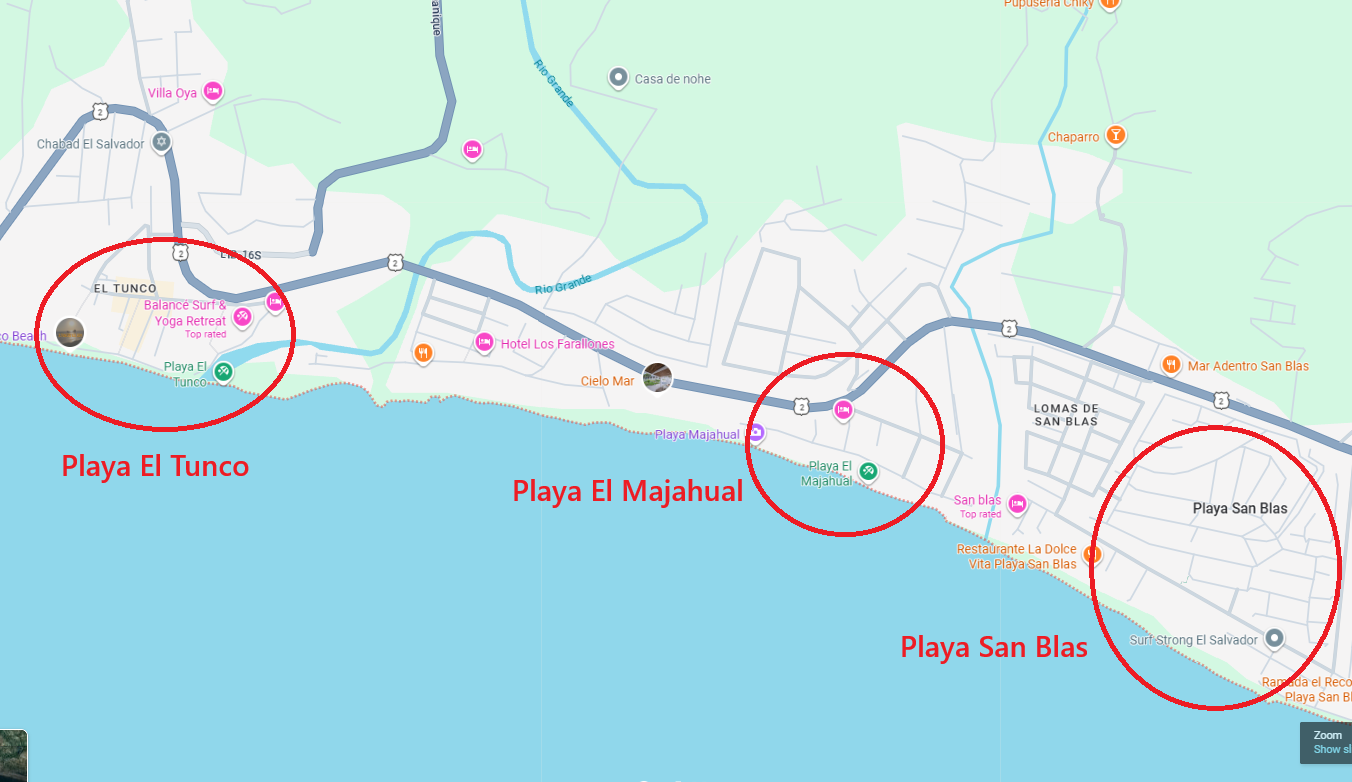
We spent time in the internationally famous surf beach community called El Tunco. We also spent time next door in Playa El Majahual, a local beach community, where the prices were more moderate. We also visited Playa San Blas, a moderate to more upscale beach resort area.
All three are more chill and relaxed than places like the Riviera Maya in Mexico. These are not white sand beach communities. The sand from these beaches is formed from darker volcanic rock rather than the white coral reef sand you see on the Caribbean side of Central America.
Where some English-speaking expats live in San Salvador
San Salvador (Capital City): Most professionals and families live in high-end neighborhoods in the west, such as San Benito, Colonia Escalón, and Santa Elena. These areas host major embassies, international schools, and premium shopping centers like La Gran Via.
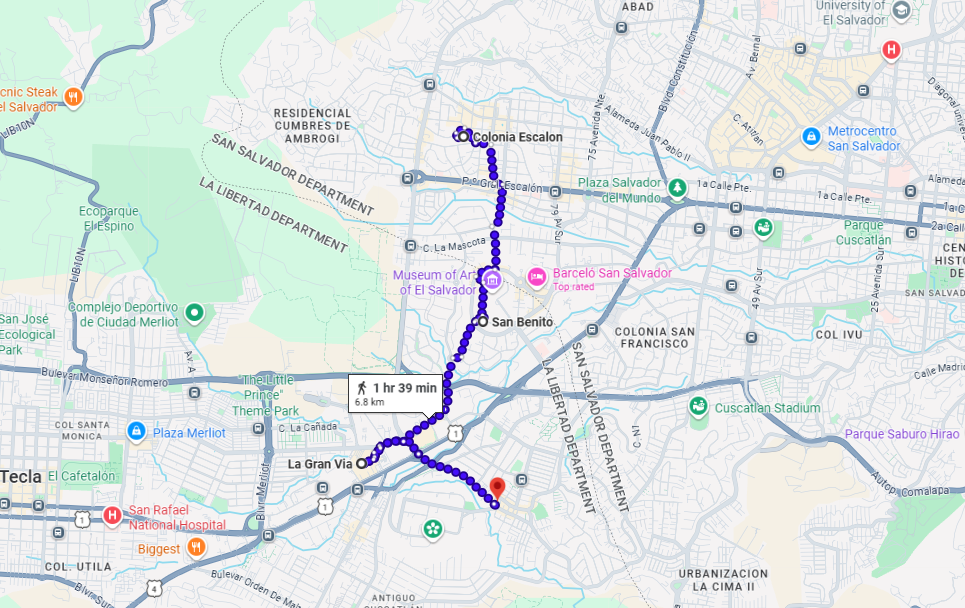
What kind of expats live in these three distinct areas? Colonia Escalón, and Santa Elena, San Benito
Colonia Escalón: This hillside community is the most exclusive. This is where wealthy or higher-end working expats live and raise their families. This is where you will find grocery stores with foreign foods, international restaurants, and hospitals. Historically, this was one of the safest areas, but now that most of the gangsters are in jail, safety is more common in much of the city. It is not as walkable because of the hilly terrain.
San Benito (Zona Rosa): This area is a slightly younger crowd than Colonia Esacalon and more walkable. Yet still has many expats working in the industry and foreign embassies. There are many international food choices here and services expected by expats. Rents are still pretty high here so you will need to walk neighborhoods to find the good deals.
La Gran Via Shopping Mall: Expats live in nearby gated communities and luxury apartment complexes, and frequent La Gran Vía for shopping, dining, and entertainment.
Parque Central de Antiguo Cuscatlán: This is a community that is centered around a small park. You will see expats here who are more comfortable living a local lifestyle. Local restaurants, local housing, and local markets, nightlife, and entertainment. You can walk from here to more traditional expat places like La Gran Via Shopping Mall. If this is your first tie living outside your home country, you may not be comfortable here. For more experienced expats on a budget, you may love this place.
San Salvador Old Town Walking Tour
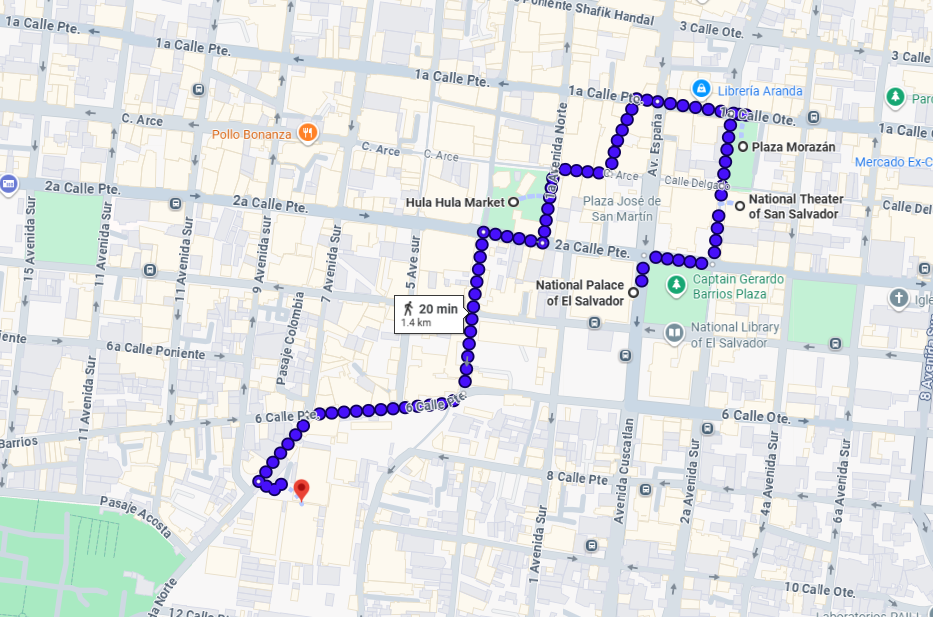

National Palace (Palacio Nacional): The current National Palace of El Salvador, located in San Salvador, the capital city of the country of El Salvador, replaced the old National Palace built in 1866–1870, which was destroyed by fire on December 19, 1889. The palace is where the national government formerly operated, buy is now a museum. It is considered one of the most beautiful buildings in Central America. Walking tours inside are available.
National Theater (Teatro Nacional): Was built in 1911, by the French architect Daniel Beylard. It is of French Renaissance style with modern touches. It was decorated by the Italian architect Lucio Cappellaro, and its Great Hall is one of the most beautiful and elegant in Central America.
Francisco Morazán Square is located in the historic center of San Salvador. The square features a monument to the Central American hero Francisco Morazán, which includes reliefs depicting battles fought by the leader, and figures representing the five nations that formed the Federal Republic of Central America.
Hul Hula Market: This market has no cultural significance, but is a great place to shop for souvenirs, clothes, and household items. The next stop is best for produce and meat shopping and for tasting local favorites at the food stalls.
Mercado Central is the largest public market in El Salvador. It is where Salvadorans shop and eat daily, and the produce is fresh and priced right. Make sure to try the corn tortillas stuffed with cheese, beans, and tamales.
Estimated Cost to Retire in San Salvador, El Salvador
Now I will give a line-item estimate of the cost of living for two people. Then I will share information about retirement visas, healthcare, walkability, weather, social considerations, things to do, and safety.
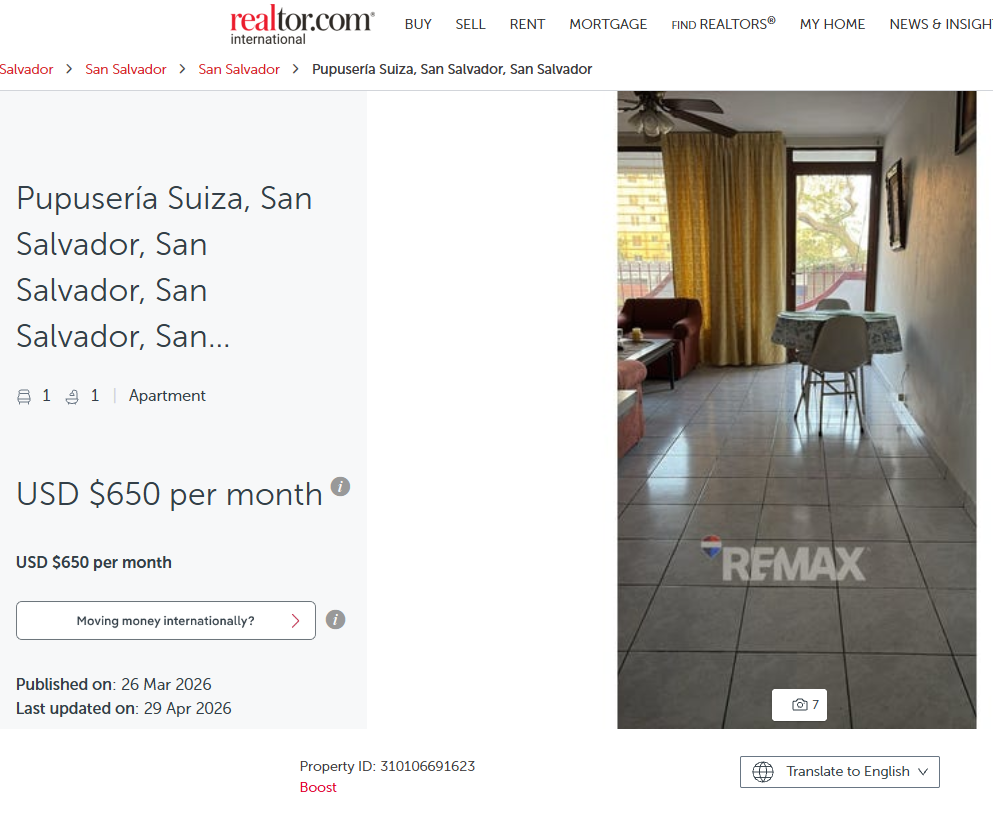
Rent: I found this 1-bedroom furnished apartment for rent in a nice area of San Salvador, near where we stayed. At the time of this report, it is advertised at $650 per month for a long-term lease. If you rent it for a shorter period of time on Airbnb.com, it would be much more expensive. If you moved here year-round, you would have to pay your own utilities. So, for the lower-cost-of-living estimate below, we estimate about $650 per month for a one-bedroom apartment, year-round. If you rent a larger apartment long-term, the rent would be higher, starting at around $ 1,200 USD per month or more, depending on the area and size. Here is the process we use to find great apartments.
Utilities: We estimate the year-round average for utilities for the smaller apartment above would be about $100 per month. El Salvador’s tropical climate means air conditioning adds to electricity costs. The utilities would cost more for the larger space, starting at around $150 USD per month.
Groceries: We estimate about $300 per month for the two of us. Other expats are likely to purchase more imported foods from their home country, spending $450 per month on groceries.
Restaurants: We would eat out twice per week at local-style restaurants — pupuserías, comedores, and casual lunch spots — ranging from about $5 to $10 USD per meal per person, and one or two splurges per month at $12 to $20 USD per meal per person at more typical expat restaurants. If you add it all up, we would spend around $168 per month on restaurants for the two of us. We may have a beer here and there, but that is covered below in alcohol. Other expats are likely to eat more often at expensive restaurants and very little at local-style restaurants, so they would likely spend more like $384 per month for 2 people in restaurants. It is lifestyle-dependent.
Cell Phone Data: The cost to get a prepaid SIM card with 8 GB of data Claro for your unlocked smartphone is about $20 USD per month. Other expat couples are likely to buy two prepaid SIM cards so they would spend $40 USD per month.
Laundry: Most long-term rentals in El Salvador do not include a clothes washing machine. You can buy a new washing machine for about $300 USD, and the laundry detergent is included in the groceries above. People hang their clothes to dry in El Salvador.
Drinking Water: We bought bottled water at the grocery store. But if we retired here, we would buy an RO water filtration unit. Decent units start for around $600 USD. The replacement filters are around $120 per year, so we estimate about $10 per month after we purchase the unit.
Internet: 60 Mbps in-home wifi is about $40 USD per month.
Transportation: All of our daily needs, including groceries, shopping, restaurants, coffee shops, and nightlife, would be within a 20-minute walk, depending on the neighborhood. We would take an Uber home at night or to run errands, averaging about $4 to $7 USD per ride, or $60 per month. We would also take public transportation and taxis a few times per month to explore other parts of the city. So we would spend about $80 per month on transportation. Other retirees may want to pay cash for a used car, but would still need to pay another $250 to $350 per month for gasoline, repairs, and insurance.
Alcohol (Optional): Domestic beer in El Salvador in the grocery store costs about $1.45 for about 0.5 liters. In bars and restaurants, beers are around $2.50 USD. So we estimate about $120 per month for the two of us. Many other expats would spend more on imported, craft, or foreign beers in bars and restaurants, so we estimate about $200 USD per month for 2 people.
Entertainment (Optional): We would budget about $200 per month for the two of us. We generally enjoy doing more do-it-yourself kinds of entertainment, so other expats would spend a little more, maybe $300 per month, for 2 of them.
Basic Costs to Retire in San Salvador, El Salvador
After the cost of living, I will share information on visas, residency, real estate, walkability, healthcare, and safety. The first link in the first comment below this video provides details on how I arrived at each line-item cost.
|
San Salvador, El Salvador |
Lower (USD) |
Middle (USD) |
|
Rent |
650 |
1200 |
|
Utilities |
100 |
150 |
|
Groceries |
300 |
450 |
|
Restaurants |
168 |
384 |
|
Cell Data |
20 |
40 |
|
Laundry |
0 |
0 |
|
Drinking Water |
10 |
10 |
|
Internet |
40 |
40 |
|
Transportation |
80 |
300 |
|
Basics Total |
$1368 |
$2574 |
|
Alcohol |
100 |
200 |
|
Optional Total |
$1,468 |
$2774 |
|
Entertainment |
200 |
300 |
|
Optional Total |
$1,668 |
$3074 |
We gathered this data with our feet on the ground here in early 2026, so adjust for inflation after that. The above lower cost-of-living estimate would apply if the two of us lived here on a tight budget. The middle estimate is just an example of what more typical expat couples might spend if they moved here.
What would it cost you to live in El Salvador?
To understand what it would cost you to live here, you must put your feet on the ground, see how you would choose to live, eat, and entertain yourself, and add it all up. It doesn’t matter what anyone else spends because we are all different. You should also add anything to the above table that you spend money on in your home country that is not listed in the above table. Presumably, you find those things necessary in life. To do that, visit the Numbeo San Salvador page and add anything not mentioned in the above table. Anything not on Numbeo you should add during your exploratory visit before moving to San Salvador.
Never move anywhere until you have visited first personally to verify the living costs for your lifestyle and needs. I am not guaranteeing these prices. These are just my notes and estimates from the time of my visit and this post. Your costs will likely be drastically different depending on your lifestyle and the time since this post was published.
Typical expats’ living costs in El Salvador range from about $1,500 to $4,000 per month, depending on their lifestyle, budget, and whether they live in a city, coastal, or rural area.
San Salvador, El Salvador — Livability Factors
Before you move anywhere outside your home country, make a list of the factors you must have for a happy retirement. Here are my livability factors, and I will rank each as high, medium, or low before assigning an overall retirement desirability score for San Salvador, El Salvador.
Walkability: Medium. All four of the neighborhoods shared above are genuinely walkable for restaurants, coffee shops, groceries, shopping, and evening entertainment. In that general area, everything would be so centralized that we would rarely need to walk more than 20 minutes to get what we needed for everyday life. Plus, walking is the healthiest way to stay in shape as we age. Most retirees here rely on Uber or public transportation for anything beyond their immediate neighborhood.
Internet: High. The in-home Wi-Fi in our apartment was about 60 Mbps. Good enough for Zoom calls, uploading YouTube videos, and watching Netflix. We were also able to use our cell phones as hotspots when we were out of the house together.
Food: High. We found some great restaurants in San Salvador, as shown in our restaurant list below. El Salvador’s food scene is fairly diverse for both local and international restaurants. We would eat out a few times a week, mostly at local-style restaurants, but would cook more meals at home.
Weather: High. San Salvador sits at about 680 meters (2,230 feet) above sea level, giving it a warm tropical climate that is more comfortable than the sweltering Pacific coast. Daytime highs average 86°F (30°C) year-round, with very little seasonal variation. Nightly lows average around 65°F (18°C) from November through February and around 70°F (21°C) during the rainy season. The rainy season runs from May through October, with June and September typically the wettest months with afternoon downpours rather than all-day rain. For someone like me, that wants to spend most of the year, day and night, in shorts, t-shirts, and flip-flops, I would rate this as a high place to visit and a high place to live year-round.
Things to Do: Medium. San Salvador is the capital of El Salvador and the largest city in Central America’s smallest country, with a metro population of about 2.4 million people. The Historic Center has been dramatically renovated and now offers accessible walking tours through colonial architecture, lively markets, and landmark churches. Joya de Cerén ruins, Santa Ana Volcano, and the Pacific coast beaches are all within 1.5 hours. Football (soccer) is enormously popular in El Salvador, and matches at Estadio Cuscatlán bring out passionate crowds for an inexpensive and electric afternoon. El Salvador’s annual festivals are also worth planning around — the August Festival of El Salvador del Mundo, the patron saint festival of the country, draws massive crowds to San Salvador every year.
Social Considerations: Medium. Spanish is the dominant language in El Salvador and English is not widely spoken outside of the upscale neighborhoods and the international business community. If you intend to retire here, you should learn Spanish for a fuller life. I have met many expats overseas who have used Duolingo, the free language-learning smartphone app, to learn various languages. If you are just visiting, become familiar with using Google Translate on your smartphone before you arrive. This worked out fine for us on our exploratory visit.
Safety: High. From 2022 onward, President Bukele’s government launched a sweeping crackdown on the MS-13 and Barrio 18 gangs, resulting in what the government reports as a 95% reduction in homicides. San Salvador went from one of the most dangerous capitals in the Western Hemisphere to a city where expats report walking freely at night in Zona Rosa and Escalón. We walked around those neighborhoods in the evenings, and it felt safe to us. However, we would use Uber to get home at night if we started to feel isolated while walking.
Also, the US State Department issues travel advisories for each part of the world, which you should be aware of. Read that before you go, and thereafter from time to time to stay up to date. El Salvador, at the time of this writing, is “Level 1: Exercise Normal Precautions.” Here are my thoughts on how to remain safe all over the world.
Expat Community: Medium. Here are some Facebook groups 1, 2, 3, that cater to English-speaking expats living in San Salvador and the surrounding areas. These online expat communities are great for learning what expats want to know when they first move overseas. You will often find that someone has recently answered your questions, so first search for already answered questions before asking in these groups.
Medical: Medium. This healthcare international comparison index ranks El Salvador as 98th in the world, about 29 spots lower the USA which ranks 69th. Private hospitals such as Hospital de Diagnóstico and CIMA in San Salvador have US-trained, English-speaking physicians. A specialist consultation typically costs $50 to $100 USD out of pocket — a fraction of what the same visit would cost in the United States. El Salvador does not have a formal universal public healthcare enrollment for foreign residents, but permanent and temporary residents can access public facilities. Most retiree expats opt for private physicians and clinics for routine care due to the low out-of-pocket costs compared to Western countries. Some expats maintain private or international health insurance to ensure faster access and English-speaking staff.
Tourist Visa: High. For most tourists from Western countries, the recommended option is visa-free entry. The rules change often, but at the time of this writing, visa-free entry allows up to 90 days for citizens of the US, Canada, the UK, the EU, and many other Western nations.
Upon entry, you must present a valid passport (valid for at least 6 months), and some travelers are asked for proof of onward or return travel and proof of initial accommodations. These conditions change periodically. The only reliable source for the entry conditions at the moment of travel for passport holders from your home country is the webpage of the Salvadoran Embassy or consulate in your home country. So you must verify the entry conditions at the time you travel.
Retirement Visa: While there is no “retirement visa” per se in El Salvador, one well-suited for retirees:
Pensionado: For retirees receiving a guaranteed pension (government or private) of at least $1200 USD per month. This is one of the lower pension income thresholds in Latin America, making it accessible to retirees on modest fixed incomes, including those receiving US Social Security.
The program provides 1-year temporary residency, renewable annually, with permanent residency available after 3 to 5 years of continuous residence and citizenship possible after 5 years. El Salvador allows dual citizenship. Spouses, children under 25, and parents can be included in the application. During the temporary residency period you generally cannot be absent from El Salvador for more than 3 consecutive months.
Required documents typically include: a valid passport, apostilled birth and marriage certificates, an apostilled criminal background check (FBI background check for US citizens), a Salvadoran medical certificate, proof of income, and proof of local address. Fees run approximately $100 to $500 USD, plus attorney fees.
It is highly recommended that you use a licensed Salvadoran immigration attorney to help you through this process. Contact the lawyer before you arrive because laws change, so the documents you need may change at the time you intend to apply. I would request a referral to a lawyer on one of the expat Facebook pages I shared above. I would ask the expats for an immigration lawyer whom they used personally to get their residency. These conditions change periodically; as such, the only reliable source of residency information for passport holders from your home country is the webpage of the Salvadoran Embassy or consulate in your home country.
Real Estate: In general, foreigners can own property in El Salvador in their own name with very few restrictions. Residential and commercial properties are fully open to foreign buyers.
San Salvador Overall Retirement Desirability Score
In previous visits to Central America I had been unwilling to visit El Salvador for security reasons. The safety transformation over the past few years is genuine — streets that were completely off-limits just a few years ago are now filled with families and expats on weekend evenings. The Salvadoran people are warm, proud of their country’s progress, and genuinely happy to welcome visitors.
So, for people who like warm weather, a diversity of foods, and a city on the rise, I would rate San Salvador as a medium-to-high place to live or reti
If you are really serious about retiring overseas, grab a copy of my free eBook that shares the 10 things you need to do before leaving your home country. And if you would like to know how we find great apartments all over the world, watch the video here now.
Where We Stayed
This Airbnb was where we stayed in San Salvador, El Salvador.
This Airbnb.com is where we stayed at the beach in El Salvador.
Restaurants, Services, Markets (USD)
San Salvador: Restaurants:
- Don Arce restaurant: Level 5 food court in Hula Hula market
- La Clásica Pizza:
- Local food and steaks “the saucepan”: Tipico Desayuno 4
- Tipico Margoth: Tipico Desayuno 5.25 -5.50
- Subway: Vegetarino sub 5.90
- Lei Fong: Vegetables soup 4.50, Rice with vege 8.50
San Salvador: Services/Markets/Resources
- Super Selectos: Groceries
- Camila Pharmacy
- Mercado Ex-Cuartel:
- Hula Hula Market
- The Barber Shop: Hair cut 9
Beach: Restaurants:
- Rancho Tinita: Breakfast 3.50, beer 1.50
- Restaurante La Dolce Vita: Fish 14.99, Pasta (V) 12.99, Beer 2.25-2.75
- Rancho Pacifico Azul: Breakfast 4
- Coyote: Vegetarian burger 8.95, Beef burger 8.50
- Esquina La Comadre: Grilled chicken with rice $8, Vege Taco $6, beer $2.50
- El Compa Tacos:
- Hotel Roca Sunzal: Restaurant : beer golden 2.50, small fish 8
- Moo • Ice Cream Shop: Ice cream 1 scoop $2