Today, I will share the cost of retiring on a white sand beach overseas. I have never seen softer or whiter sand anywhere in the world.
I left the United States almost 19 years ago. Since leaving America, I have searched for the best places to retire overseas. I have spent more than a couple of hundred thousand dollars of my own money wandering through 73 countries so far.
My search for the best places has always included finding the most beautiful beaches, so I have been interested in this particular beach since my friend Ed first told me about it 5 years ago.
Since we are spending the next four months wandering around South America, I decided to visit this beach while in Brazil, finally. After completing our research in Rio de Janeiro, we hopped on a 2-hour bus to Cabo Frio, Brazil.

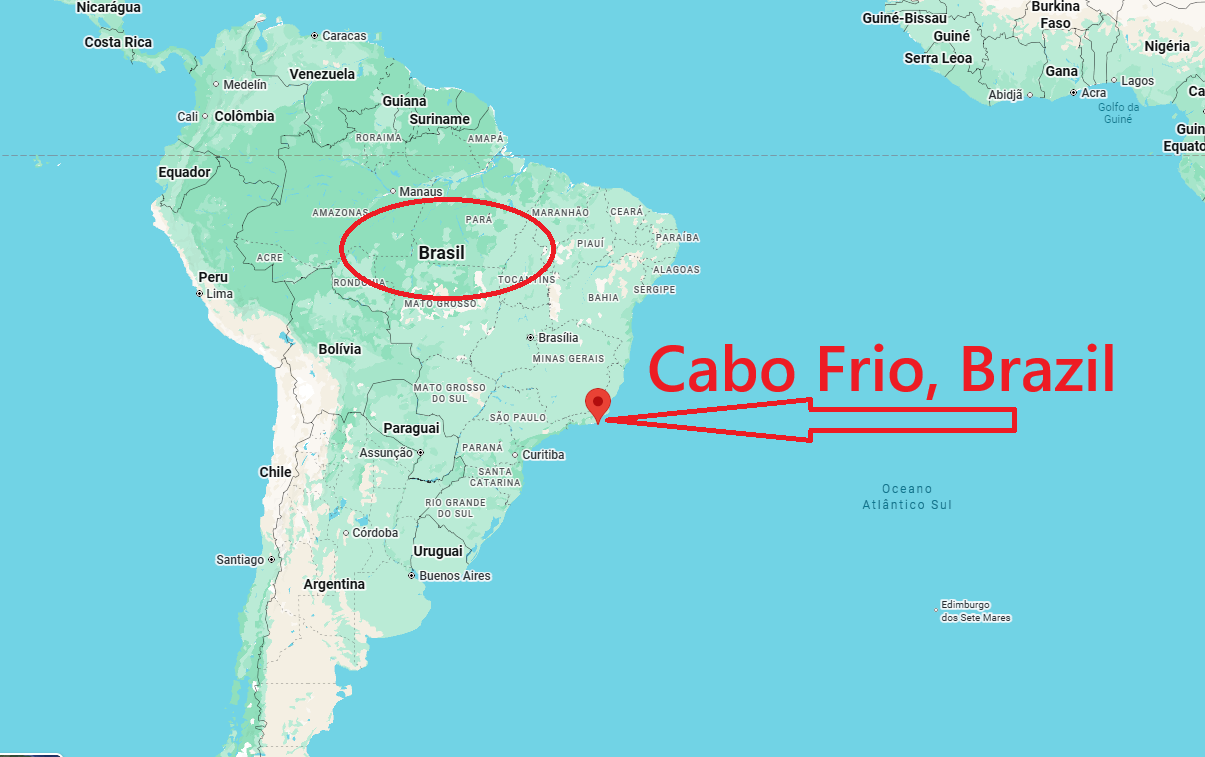
Google Map (Cabo Frio, Brazil)
As I continue, I will share the video Qiang and I took with our feet on the ground in Cabo Frio. Subscribe and ring the Bell if you want to watch us travel around the world reviewing the best places to retire.
I will cover the 10 factors many retirees consider when deciding where to retire overseas, including Wakability, Internet, Food, Weather, Things to Do, Safety, Medical, Expat Community, Visas, Real Estate, and Cost of Living. I will start with Cost of Living.
Estimated Cost to Retire in Cabo Frio, Brazil
Rents: I found this new unfurnished apartment, 2 Br, 2 Bath, 775 Square feet, new advertised for rent today for R2750 ($515 USD) per month, with a long-term lease in the city center. Short-term and vacation rentals are much more expensive.
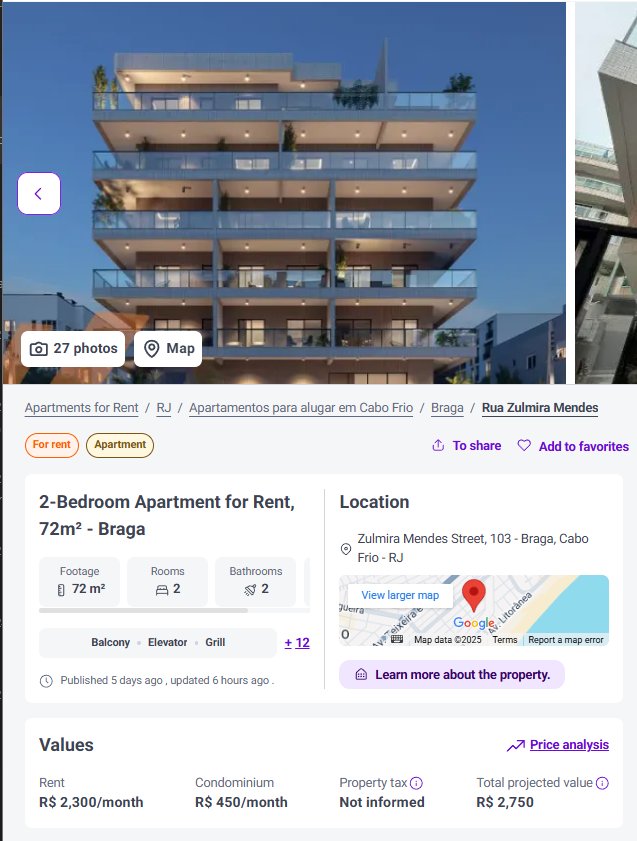
If you want a larger apartment long-term, the rent would be higher, starting around $800 USD per month or more, depending upon area and size.
Here is the process we use to find great apartments. So, we will show you a table of all expenses in a moment. We will use $515 USD per month for our lower rent estimate and $800 per month for the middle cost of living estimate for expats who want a little more space.
Utilities: We estimate that the year-round average for our utilities would be about $60 USD per month. The utilities would cost more for the larger space, starting at around $90 USD per month, depending upon size and construction.
Groceries: We estimate about $280 per month for groceries. Other expats are likely to shop more often in expensive grocery stores, and or buy more expensive and imported foods, spending more than $380 per month on groceries.
Restaurants: We would eat out twice per week in local-style restaurants for about $6.00 to $11.00 USD per meal per person, and one or two splurges per month of $12 to $20 USD per meal per person. If you add it all up, we would spend around $220 per month on restaurants for the two of us. We may have a beer here and there, but that is covered below in alcohol.
Other expats are likely to eat more often at expensive restaurants and less in local-style restaurants, so they would likely spend more like $320 per month for 2 people in restaurants. It is lifestyle-dependent.
Cell Phone Data: The cost to get a prepaid SIM card for your unlocked smartphone is about $10 USD per month.
Other expat couples are likely to buy two prepaid SIM cards so they would spend $20 USD per month.
Laundry: Unfurnished apartments in Rio De Janeiro generally have no washing machines. Drop off laundry in the area would charge us about $12 USD for 5 kg of laundry per week, or $48 USD per month.
Drinking Water: Ceramic drinking water filters in Brazil typically cost around $120 to purchase, and the filters require replacement every year at a cost of approximately $100. So we would spend about $12 per month on drinking water.
Internet: 50 MBPS in-home wifi is about $25 USD per month.
Transportation: Mostly, we walked everywhere because we were exploring where we would live if we moved here. Many people also ride bikes here, so we would also consider purchasing bicycles. We would use Uber a few times per week, especially at night to avoid being isolated, so we would spend about $40 per month on Uber.
Other retirees may want to pay cash for a used car, but would still need to pay another $300 per month or more for gasoline, repairs, and insurance.
Alcohol (Optional): Domestic beer in Rio is $0.93 for a tall boy. In bars and restaurants, domestic tall boys are about $2.43 USD. So, we estimate about $100 per month on alcohol for the two of us.
Many other expats would spend more on imported foreign or craft beers in convenience stores, bars, and restaurants, so we estimate about $250 USD per month for 2 people, assuming they do not drink imported whiskey or wine.
Entertainment (Optional): We would budget about $200 per month for the two of us. We generally enjoy doing more do-it-yourself kinds of entertainment, so other expats would spend a little more, maybe $300 per month, for 2 of them?
Estimated Costs to Retire in Cabo Frio, Brazil
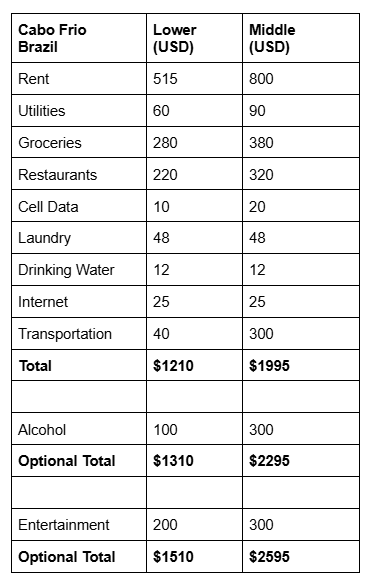
We gathered this data with our feet on the ground here in November of 2025, so adjust for inflation after that. The above lower estimated cost of living would be if the two of us lived in Cabo Frio on a tight budget. The middle estimate is just an example of what more typical expats might spend if they moved here.
So, what would it cost you to live in Cabo Frio, Brazil?
To understand what it would cost you to live here, you must put your feet on the ground, see how you would choose to live, eat, and entertain yourself, and add it all up. It doesn’t matter what anyone else spends because we are all different.
You should also add anything to the above table that you spend money on in your home country that is not listed in the above table. Presumably, you find those things necessary in life. To do that, visit the Numbeo Cabo Frio Brazil, and add anything not mentioned in the above table. Anything not on Numbeo you should add during your exploratory visit before moving to Cabo Frio.
Never move anywhere until you have visited first personally to verify the living costs for your lifestyle and needs. I am not guaranteeing these prices. These are just my notes and estimates from the time of my visit and this post. Your costs will likely be drastically different depending on your lifestyle and the time since this post.
Typical expats’ living costs in Cabo Frio, Brazil, range from about $1600 to $4200 per month. But people spending that much often have higher savings, incomes, or pensions. They often report spending more on accommodations, entertainment, eating out more, traveling, and alcohol. Many also have more expensive cars, houses, or apartments.
Cabo Frio, Brazil, Livability Factors
Before you move anywhere outside your home country, make sure to create a list of things that you must have for your happy retirement. Here are my livability factors, and I will rank each as high, medium, or low before assigning an overall retirement desirability score.
Walkability: High. We walked everywhere in Cabo Frio except when going home at night or when bringing groceries home, we used Uber Taxi. Everything was so centralized that we rarely needed to walk more than 20 minutes. Plus, walking is the healthiest way to stay in shape as we age.
Internet: High. The in-home wifi in our apartment was 40 MBPS up and down. Good enough for us to do Zoom calls, upload YouTube videos, and watch Netflix. We were also able to use our cell phones as hotspots when we were out of the house together.
Food: Medium. The restaurants in Cabo Frio are mostly local Brazilian food, but we did see Hamburgers, Pizza, and Lebanese food. Some of the more expensive restaurants had international foods like pasta and other international foods. If we lived here, we would have a tendency to cook at home much of the time because we seem to have a much higher tolerance for spicy foods than we find in restaurants, and it would be easier to control our food quality and budget by eating at home.
Weather: High. Brazil is below the equator, so summer is in December, but the temperatures vary little between seasons. Summer daytime highs average from 83°F (28 °C) in February down to daytime average winter highs of 75°F (24°C) in July. The rainy season occurs during the summer, from December to March, with the most rain of 200 mm or 8 inches, often falling in January.
Things to Do: High. Cabo Frio is mostly known for the beach life on the beautiful, long white sand beach. That includes relaxing on the beach under beach umbrellas while eating food and drinking beer from the food carts. The beach chairs with umbrellas are free so long as you buy your food and drink from the food carts.
People also surf, boogie board, and play volleyball. There are boat tours, fishing tours, and booze cruises. The beach life is dead after 6 PM when people move to the nightlife areas or enjoy family and friends at home.
The nightlife and restaurants are lively in the Bairro da Passagem and along the Boulevard Canal area.
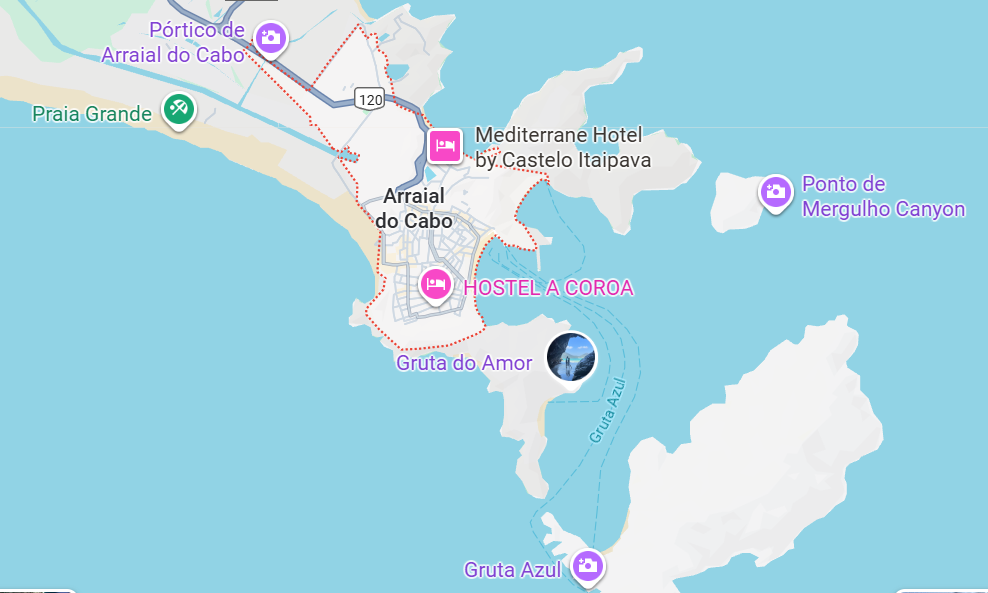
There are two day trips you must do while in Cabo Frio. You must visit the beautiful, quaint, little walking village of Buzios, and you must do a boat tour to see the beautiful ocean and beaches in Arraial do Cabo. More on those two must-see places at the first link in the description below this video.
Social Considerations: Medium. English is not commonly spoken in Cabo Frio. You will find a few English speakers in tourist-facing businesses, but not many. If you are unwilling to learn some basic Portuguese language, you will be spending a lot of time on Google Translate. I have met many expats overseas who have used Duolingo, the free language-learning smartphone app, to learn various languages.
Safety: Medium. Safety is more based on the neighborhood level than the country level. Make sure to watch my video on how to remain safe all over the world. The main idea is not to get isolated, especially at night. The US State Department issues travel advisories for each part of the world, which you should be aware of. Brazil is level 2 right now, “Exercise Increased Caution.” We often travel to level 2 locations, so this was not a big concern for us, but you should be aware of it and listen to my video on safety, which is provided in the safety paragraph at the first link in the description below this video.
Expat Community: Low. We didn’t find any English-speaking expat communities on Facebook in Cabo Frio. So Cabo Frio would be more for people who are comfortable using Google Translate if they are visiting, and to learn Portuguese if they intend to retire or live here long term. Cabo Frio is better suited to experienced travelers who are comfortable overcoming language barriers or who already speak Portuguese. So learn how to use Google Translate in multi-language live conversations on your smartphone before arriving, link provided.
Medical: High. This healthcare international comparison index ranks Brazil 83rd in the world, which is not quite as good as the United States, which ranks 69th in the World. There are different ways healthcare is rated, but this rating seems to consider not only the quality of care but also what patients are charged.
The good news is that Brazil’s public healthcare system is free for all citizens and visitors, as mandated by the country’s constitution. Several tourist videos report receiving free treatment in hospitals in Brazil.
There are a couple of hospitals in Cabo Frio but it is a small-ish town. So, for more complicated procedures they may just stablize you and you will need to go to Rio for further treatments or procedures.
Tourist Visa: High. Australia, Canada, and the United States are countries whose citizens are currently required to get a digital e-Visa for tourism and business travel to Brazil. Other countries should check the embassy in their home country to verify the conditions of entry, or at the bottom of this page.
Retirement Visa: You must demonstrate $2000 USD per month pension or equivalent and prove you are retired in your home country, provide a clean criminal record in your home country, and prove you have health insurance if the application is made from outside Brazil. Details.
You can probably do this yourself, but if you want a lawyer, I would request a referral to a lawyer on one of the Expat Facebook pages for other cities in Brazil. I would ask the expats there for an immigration lawyer whom they used personally to get their retirement visa.
Real Estate: Foreigners can own land in Brazil, although there are some limitations and significant complications even for Brazilians.
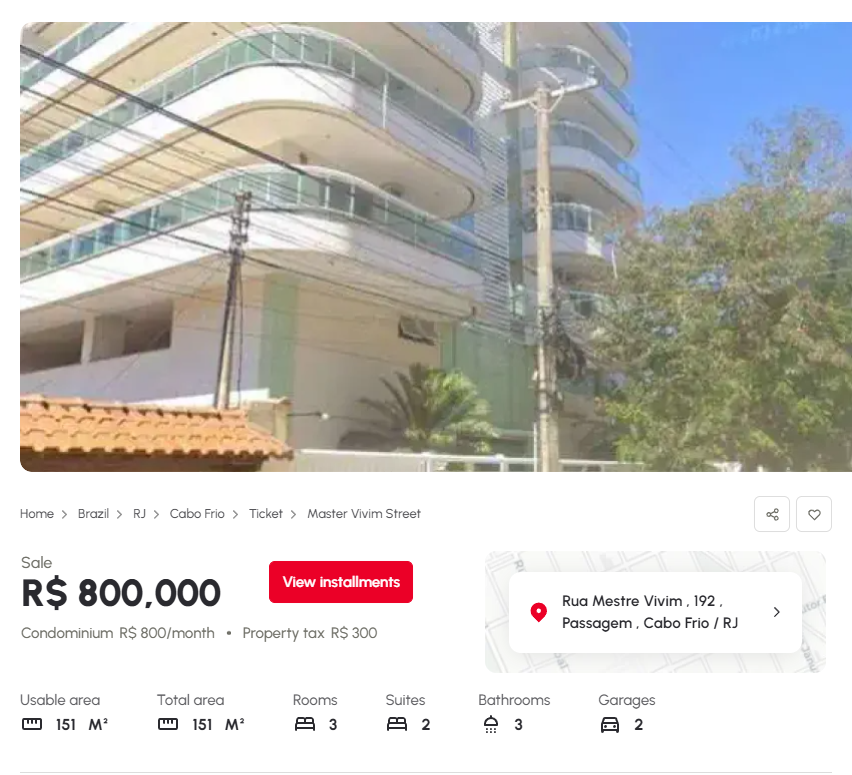

Newish-Condo $150k USD, 2000 square feet, 3 Br, 3 Ba, Balcony, 2 Car.
I would not buy real estate in a foreign country until I have lived there for an extended period of time, making sure I still love it after the honeymoon period. I have a report explaining what to look out for and why.
I would also hire a lawyer who has no conflict of interest with me. Do not use a lawyer recommended by your real estate broker or your local lover. I would seek a referral from an expat who has used that lawyer’s services to successfully buy real estate.
Cabo Frio, Brazil Overall Retirement Desirability Score: Medium. This would not be a good fit for most people unless you are experienced living overseas and willing and capable of learning Portuguese. But for the adventurous and those willing to learn Portuguese, you may love it here.
Buzios Day or Weekend Tour
Some people would prefer to live in the Buzios Area so check it out before making a final decision on where to live. Buzios has an amazing, beautiful walking area as shown in the Google map below.
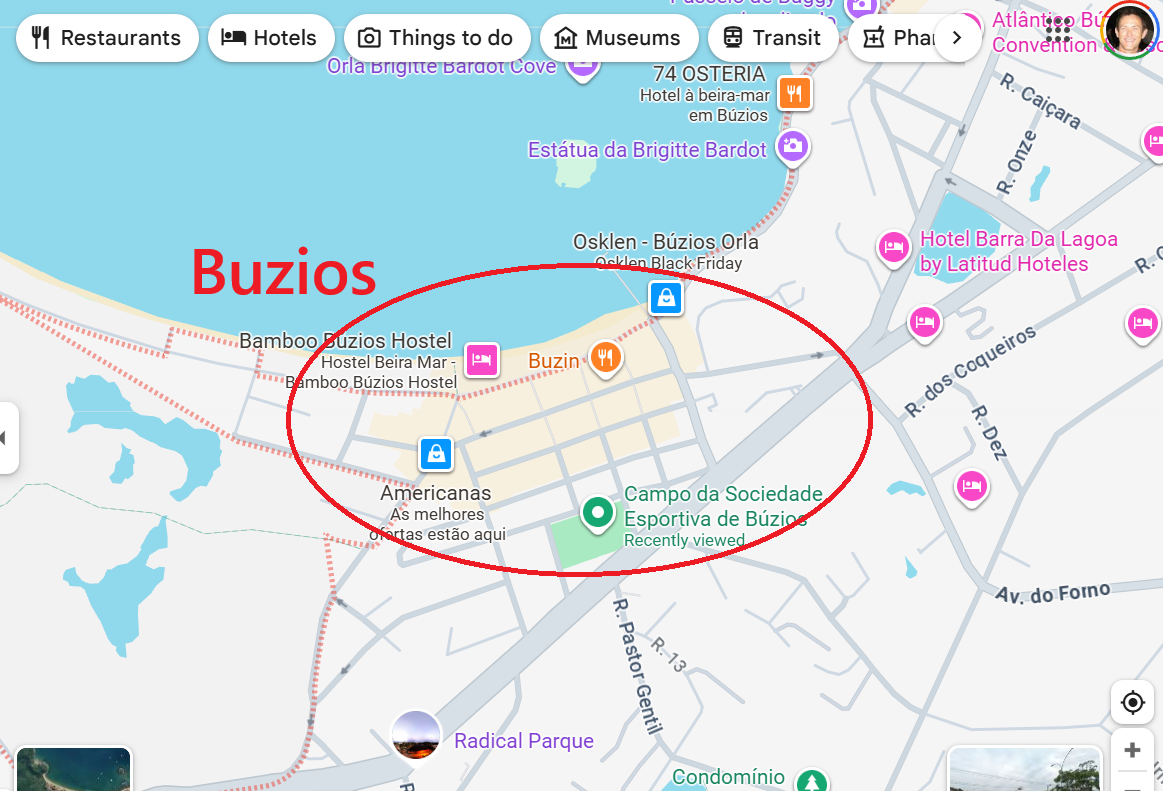

We took Uber taxi from Cabo Frio to our weekend accommodations in Buzios for R48 ($9 USD) each way which takes about 45 minutes depending on traffic. Our accommodations in Buzio cost about $50 for the night.
Buzios is a very charming walkable city center that has developed quite nicely because large cruise ships stop there for the day. You have to do this trip, and it is a nice weekend trip, or you can make a day trip of it by going early and returning in the evening.
- Buzios Restaurants:
- Maria Maria Café: Breakfast set R36.90, Lattte R16.50, Brownie R18, Coffee cake R18, French press coffee R22
- Rollingchef: Magic plantbase burger R47, Caipirinha R15
- Padaria Doce Mel Búzios: Coffee with milk R6
- Mercado Santos Dumont: Supermarket
Arraial do Cabo Boat Day Tour
We took the famous Arraial do Cabo Boat Day Tour to see the beautiful water and white sand beaches about 30 minutes south of Cabo Frio. The 30-minute taxi ride cost about R57 ($10.60 USD) both ways, and the tour cost about R100 ($20 USD) per person. Double that to include food and drinks. Tour Booking (not affiliate link). We had lunch in the Arraial 40 Restaurant, Chicken filet R25 ($4,68), Draft cold beer R12 ($2.23).

Cabo Frio Safety Tips
We felt fairly safe walking around Cabo Frio in areas where we were not isolated. Otherwise, we would order an Uber taxi whenever we realized the direction we needed to walk felt isolated.
Where we stayed in Cabo Frio
We stayed at this apartment on Airbnb for 13 nights at about $45 USD/night. We were within walking distance of just about everything we needed here. If we moved here and signed a long-term lease, I would expect to pay much less per night, as I showed above under the cost of living rents.
How we got to Cabo Frio, Brazil
We took the three-hour bus from Rio de Janeiro to Cabo Frio. We bought the bus tickets a few days early online at BusBud for about $14 USD per person. The tickets are cheaper if you buy them at the station. The bus leaves the Rio Bis Station here and arrives at the Cabo Frio Bus Station here.
Uber Taxi operates in both Rio and Cabo Frio, so that is how we got to and from the bus stations to our accommodations.
Restaurants, Services
- Restaurants, Bars (Prices Brazilian in R. $1 USD is R5.34)
- Restaurante Tia Lúcia Delícias Mineiras: Set lunch 35 , chicken rice bean salad – good
- Restaurante Picolino: Fish fillet with mashed potato 86, Mushroom with cheese 86, Caipirinha 28
- Roots Gastrobar: Ceviche 55, Spaten 600ml 15 (Beer), Livemusic 10
- Restaurante Forte Sabor: Food is priced at 89.90/kg, beer 12
- Shawarma Cairo: Chicken Shawarma 20, Falafel Sandwich 23, Mince Meat 10
- Nativo Bistrô: Spaten 600ml 15, Veganos penne Pomodoro 62,
- Restaurante O Pescador: Stella 600ml 15
- Services/Markets:
- Rodoviária de Cabo Frio: Bus station in Cabo Frio. Bus to Rio R72, 3 hours/ Bus to Sao Paulo R191, 10 hours. Tickets are cheaper at the station than online.
- Cabo Frio Live Camera: Beach
- Praia do Forte: White Sand Beach Location
- Supermercado Carone: Larger, more expensive grocery store
- Grand Marché: Neighborhood grocery store
- Hiper Granel: Nuts, herbs, grains, vitamins, whey protein, health foods.