October 15, 2025: I want to explain why 2000 USD a month is not enough for many people in SE Asia now. I also recently did a video telling you where I would retire overseas on $1000 per month in SE Asia. In this video, I will explain the 5 rules some people follow to live cheaply overseas and why others can not.
My name is Dan. I left the USA in 2007. I have lived outside the US for 18 years, in 73 countries. I create videos where people can retire early overseas for less. I am passionate about sharing this because the 2008 financial crisis almost delayed my own retirement plans.
While living outside the US, I have interviewed over 140 people who have moved overseas all over the world, many in Southeast Asia.
Reflecting back today on those interviews without going back and collecting all the exact data, here is a graph showing my memory of the cost of living for the people I have interviewed over the last 5 years.
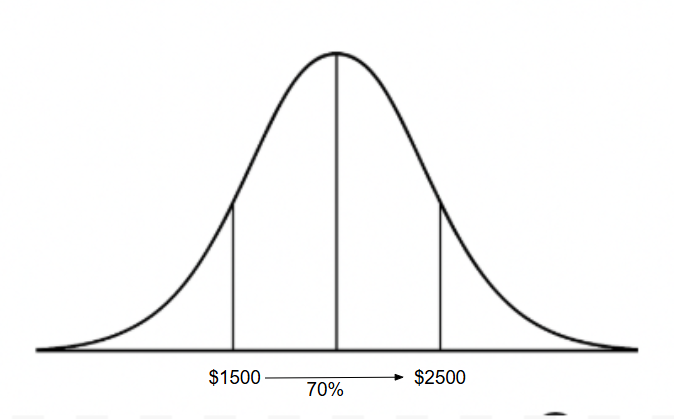
As shown in the graph, about 70% of the people I have interviewed have shared living cost numbers from about $1500 to $2500 per month in SE Asia.

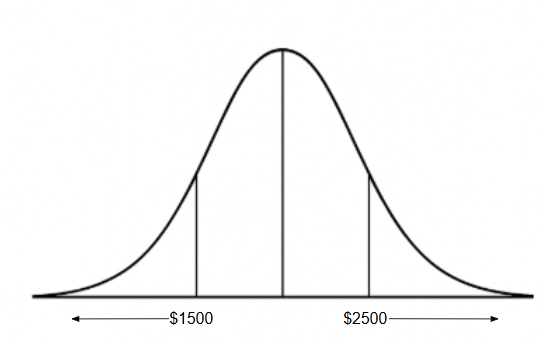
As shown in the second graph, the other 30% or so of the people I have interviewed have shared living expenses of below $1500 or above $2500 per month in SE Asia.
There is no guarantee that you can live cheaply in SE Asia. If you want any chance of living cheaply in SE Asia, or anywhere else in the world, you have to learn and follow certain rules or behaviors shared by guests who have lived cheaply. Otherwise, you will fail.
5 Rules to Live Cheaply in SE Asia
Live on Less than your income
Whenever someone says to me, Dan, you can’t live on less than $2000 per month here. I ask the question, what is your social security check or pension per month? They typically say, $2000 per month (or more).
Very few people that I meet living overseas live on less than their social security or pension. They have no necessity, so they don’t try to live on less. Their expenses rise to the level of their income. To live on less, you have to listen to the people doing it, not the ones spending more.
I suggest creating a budget. Start living on less than your income and putting some away for rainy days. That way, you will increase your safety net savings in case of inflation or currency devaluation. More on safety nets later.
Setting a budget and living on it creates the necessity in your mind to live on less. This may force you to live on less if you pay attention as you spend money. Now, I will explain how some people live on less.
The $2000 Month Contradiction
When someone says, “You need $2000 per month minimum to live here,” ask them why they moved to SE Asia. They often say something like, “I am spending much less per month to live here and I have a better life.”
What are they saying? Are they saying they would stay in their more expensive home country if they only had $1500 per month? But wait, didn’t they just tell you they have a better life overseas on less money? Why do they think you could have a better life on $1500 a month if you stay in your more expensive home country?
If they have a better life on $2000 per month, isn’t it possible that you could have a better life on less than $2000? So what do the people who live on less do differently? Let’s talk about that next.
Living Local versus Living Like a Westerner
Why do many expats insist that you need $2000 per month to live in SE Asia when many locals are living on less than $500 per month? If locals are living on $500 per month, maybe you can learn how some people share living on $1200, $1500, or $1800 per month.
So why do so many Westerners say they need $2000 per month in SE Asia? When I listen to them tell their stories, I realize that some of them are trying to recreate their old life in a new country. And there is nothing wrong with that. If they have the money and they want to recreate their old life in a new country, all the power to them.
But that doesn’t mean everyone has to try to recreate their old life in a new country. When in Rome, some decide to live like the Romans. So, what do I mean by that? What do you have to do differently if you want to live more like a Roman?
You have to become a student of your new country instead of trying to find your old life in a new place. Trust me, you will not find your old life in this new country. Instead, be a diligent student. Learn about the food, culture, and lifestyle of your new country.
Restaurants: Local-style restaurants charge between $1.50 and $4.00 per meal. Western-style restaurants charge between $4 and $15 per meal.
Groceries: Many local families cook most of their meals at home. Locals cooking at home, purchase locally sourced whole fruits, vegetables, meats, and grains in public-style markets, which are much cheaper than grocery stores.
Westerners eat in Western-style restaurants where they can find expensive comfort foods from home. Westerners shop for groceries in Western-style grocery stores with shopping carts and air conditioning. Westerners often buy imported food brands from home, which are very expensive when shipped overseas.
Rents: Westerners look for apartments or homes that feel more like home. Local landlords recreate homes with a Western look or feel so they can charge higher rents. Some areas are mostly expats, which have even higher rents.
Transportation: Locals drive 125 cc scooters or ride public transportation. Some Westerners buy cars or expensive scooters.
Alcohol: Many Westerners hang out in sports bars and drink $3 to $5 craft beers. Locals hang out in local-style restaurants and drink $1 to $2 beers. Locals also take beer home and drink it with family and friends.
Dating: Many Westerners take their dates to expensive Western-style bars and restaurants. But the funny thing is, many locals prefer the food in the local-style restaurants. Locals take their dates to local-style restaurants or cook for them at home. A local date can be just a walk along the beach.
All of these Western-style behaviors can easily cost two or three times as much. So why do so many Westerners do this? Because they don’t know what to eat or how to live in a new country. So they try to recreate their old life in a new country.
Recreating Your Old Life in a New Country
Westerners living on less are a little different. They do various things to live in more local-style apartments. They eat in local-style restaurants and shop more often in public markets, buying locally sourced foods.
Most Westerners living on less are not trying to live on $500 per month, but they are trying to live more locally. So they eat more local, shop more local, drink more local, cook more local foods at home, date more locally, and walk more. Some don’t even have a scooter. They just live in walkable neighborhoods where they can get most of what they need on a daily basis.
But not everyone can do it. So, how do you find out if you can do it? First, I will share how to find out if you can do it, and then I will share how to set up a safety net.
Exploratory visits
In my retire overseas course, I share how to do an exploratory visit before you move overseas permanently. The short version of an exploratory visit is this.
You go to the country of interest for a month or two, and you see where you would eat, where you would shop, and how you would live your life there. And you do a budget of what your new life would cost.
If you want to live on less, you have to find local foods you like, a local apartment you like, and a public market you would be comfortable shopping in, and you add up what everything costs. Now you have a budget so you know what it would cost you to live there.
You see, it doesn’t matter how many people tell you what their cost of living is; it doesn’t mean you can live there for that. The only budget that matters is the budget you verify with your feet on the ground during your exploratory visit.
Okay, that is how you verify your cost of living. That completes my 5 Rules. Now I will share 4 quick things you need to think about before you fly to SE Asia or anywhere else in the world.
Health Insurance or Self-Insurance: Many of the Westerners living on less overseas are self-insured for medical. That means they have money set aside for medical care. Many say they do it because health care is much cheaper in Southeast Asia. That is what I did for the first 17 years.
But I don’t recommend self-insurance for most people. I suggest you get insurance. But if you do decide to self-insure, I will put a video at the end where I talk about how much I put in a safety net.
Safety Nets: No matter how much your budget is overseas, you need to have a safety net in case you have some unexpected expenses or medical problems. I share a link to my safety net video in a second.
City Versus Provinces: It can cost less money to live in smaller cities or in the countryside all over the world. So keep that in mind when moving overseas. If you are on a tight budget, think about spending some time in smaller cities.
Along with being cheaper, smaller towns have less infrastructure, fewer medical resources, and fewer Western-style restaurants and amenities. But if you can live in a smaller city, you could easily save an additional 20 to 30%.
Inflation/Currency devaluation: Finally, you need to think about inflation, currency devaluation, and currency exchange. If you are receiving a pension of dollars, Euros, Pounds, or another Western currency, you have to factor in future inflation, currency devaluation, and exchange. This is one of the benefits of having a safety net.
I have no advice for you. I am just a guy on the internet sharing what I have learned and what other people have shared with me. You have to do your own research, get advice from the relevant licensed professionals, do your own exploratory visits, and make your own decisions.
To learn about all of the resources we have to help you retire overseas, watch this video here. To learn about my safety net, watch this video here.
Click here to get my free eBook.